
Livingstone-Zambia 2026 2nd African Nurses and Midwives Confederation Conference
A call for Harmonized Standards to Strengthen Health Systems at 2nd ANMC Conference
Nursing and midwifery leaders from across Africa have reiterated calls for stronger collaboration, harmonized professional standards, and greater investment in the nursing and midwifery workforce as part of efforts to strengthen health systems across the continent.
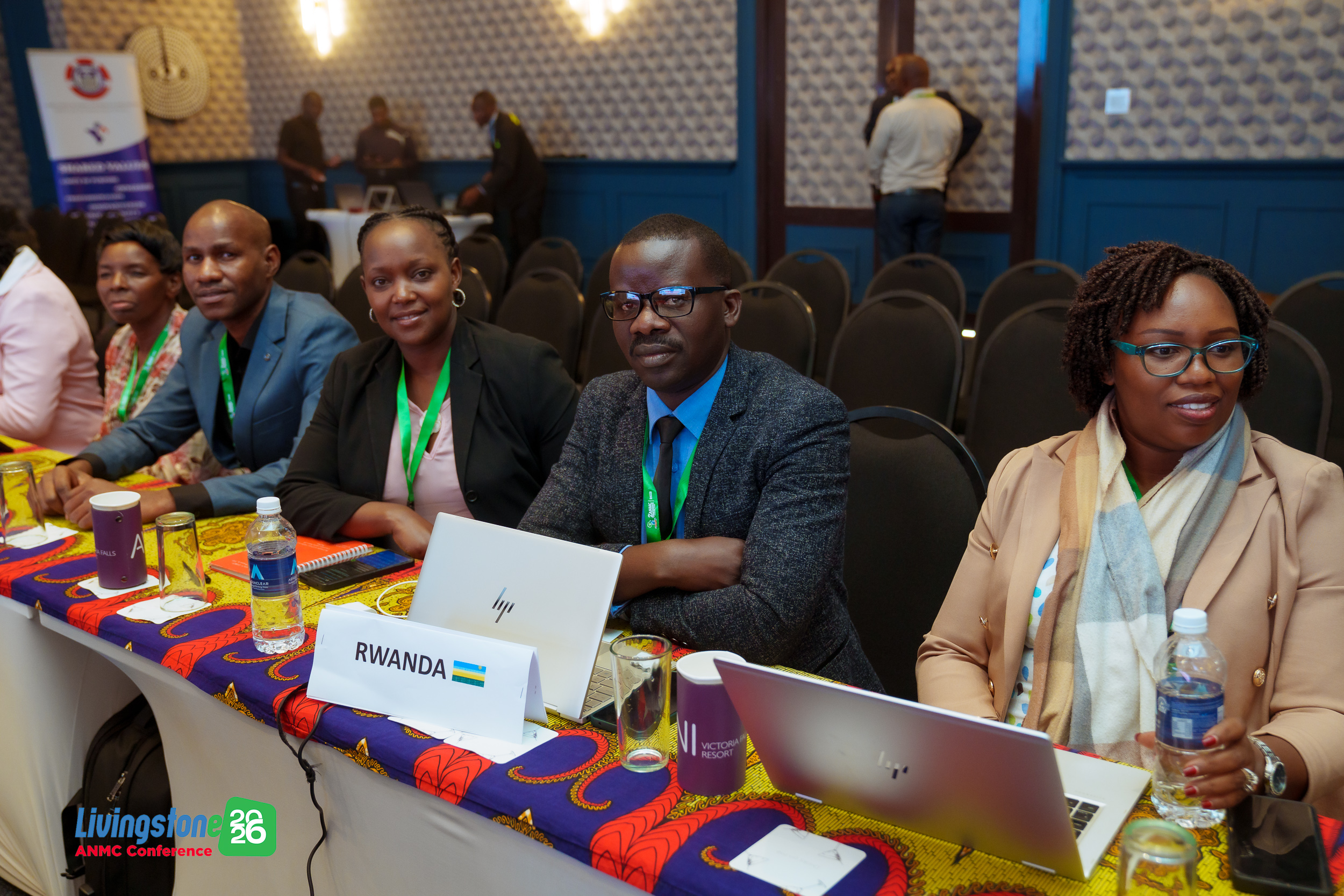
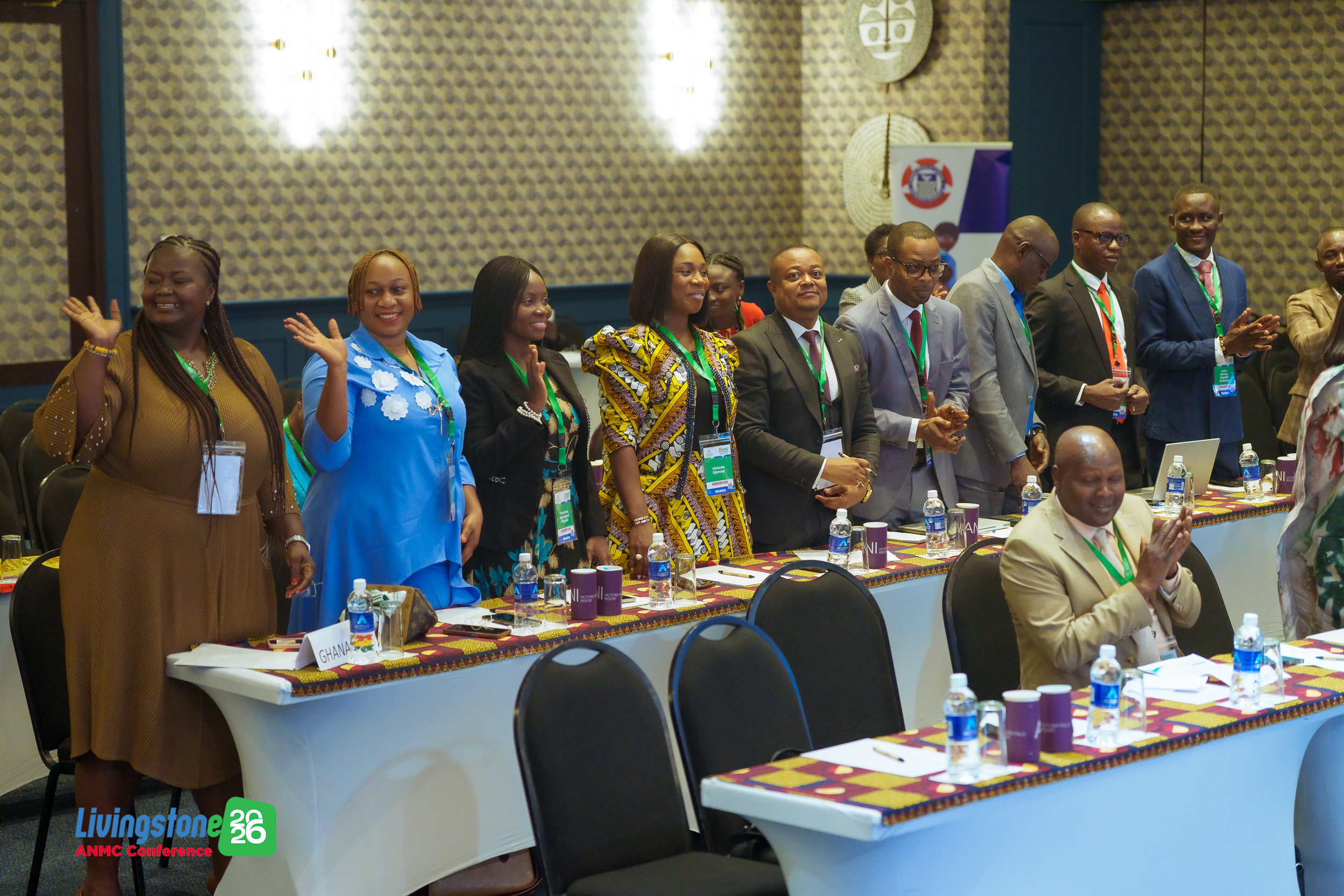
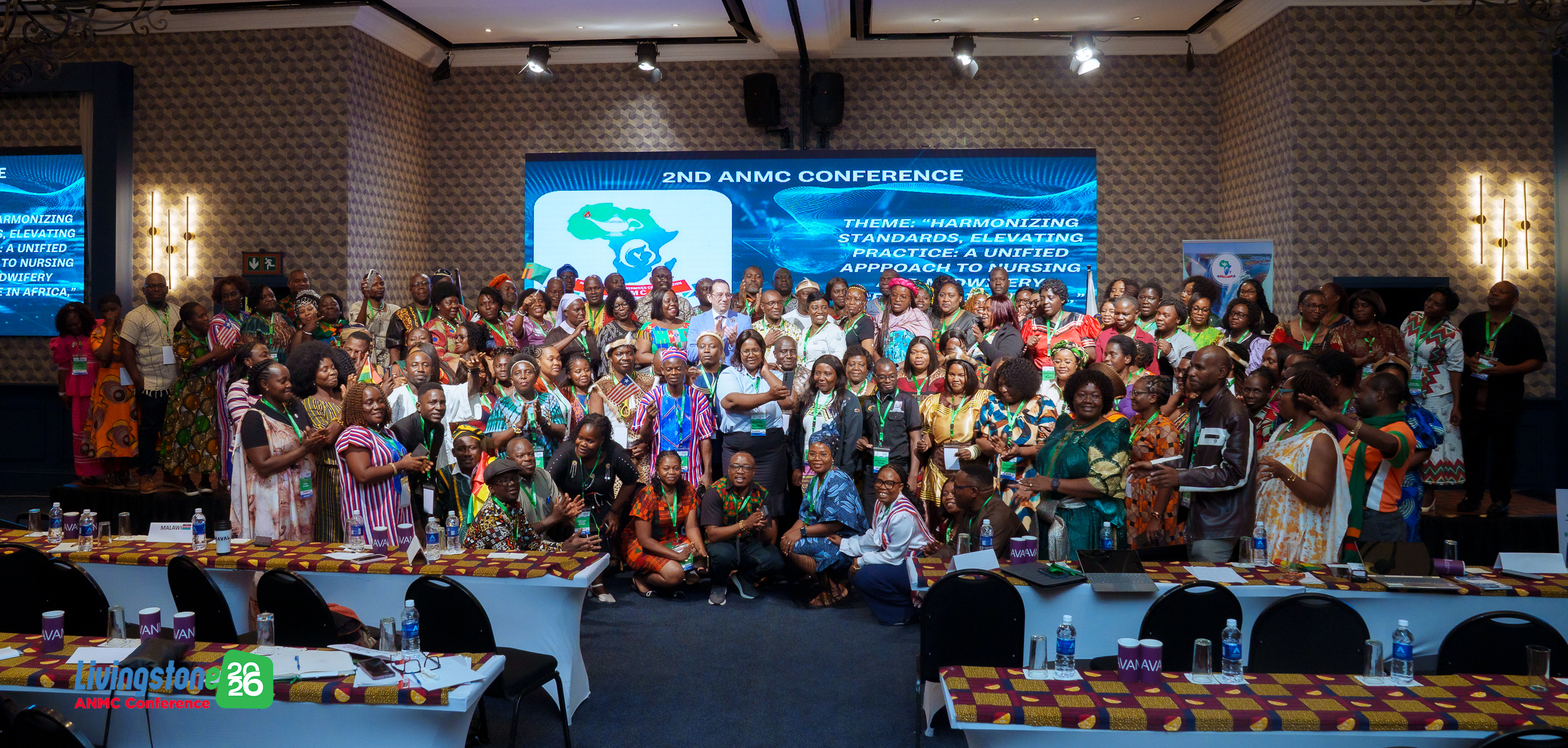
These issues dominated discussions at the 2nd African Nurses and Midwives Confederation (ANMC) Conference, held from 2–7 March 2026 in Livingstone, Zambia, under the theme “Harmonizing Standards, Elevating Practice: A Unified Approach to Nursing and Midwifery Excellence in Africa.”
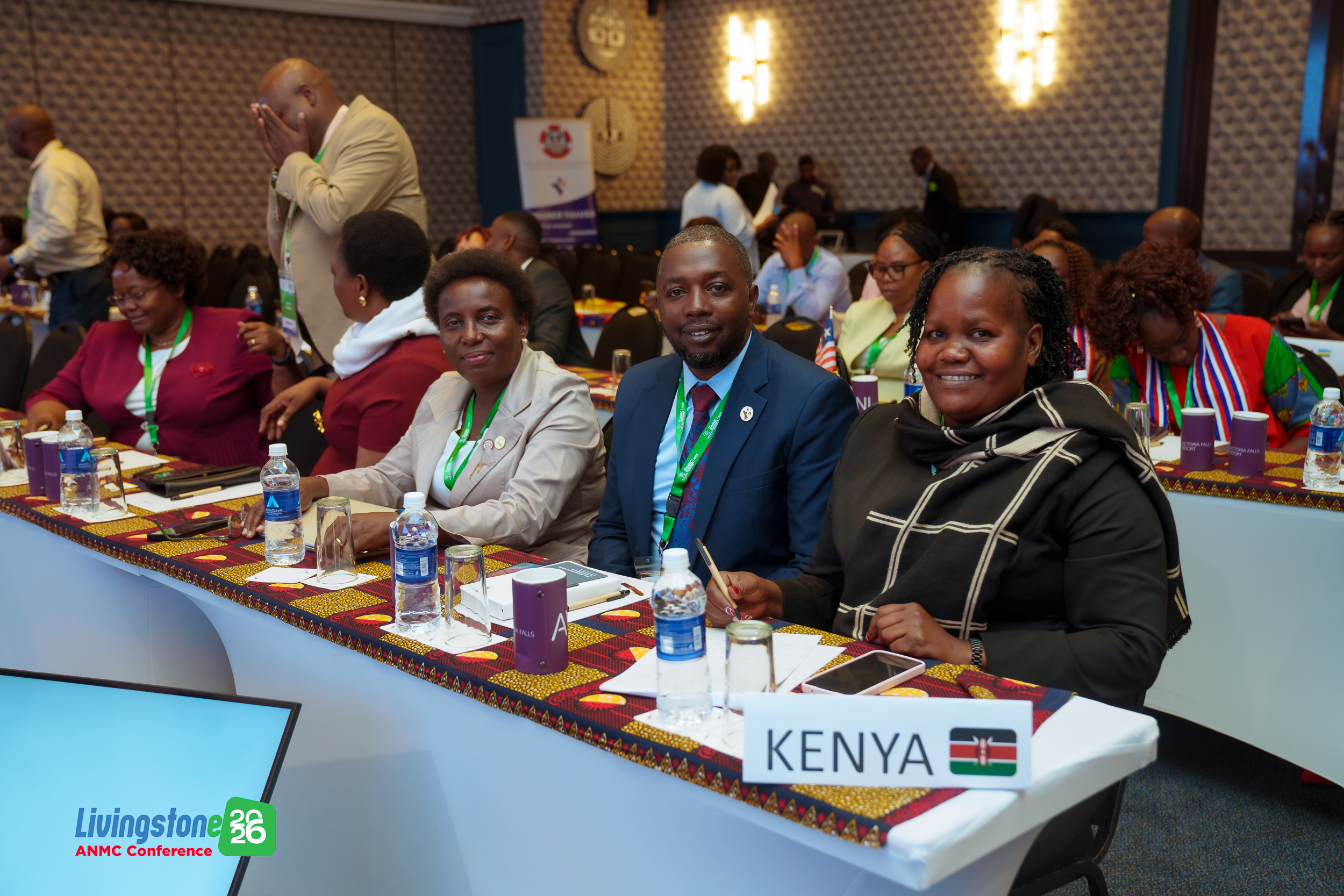
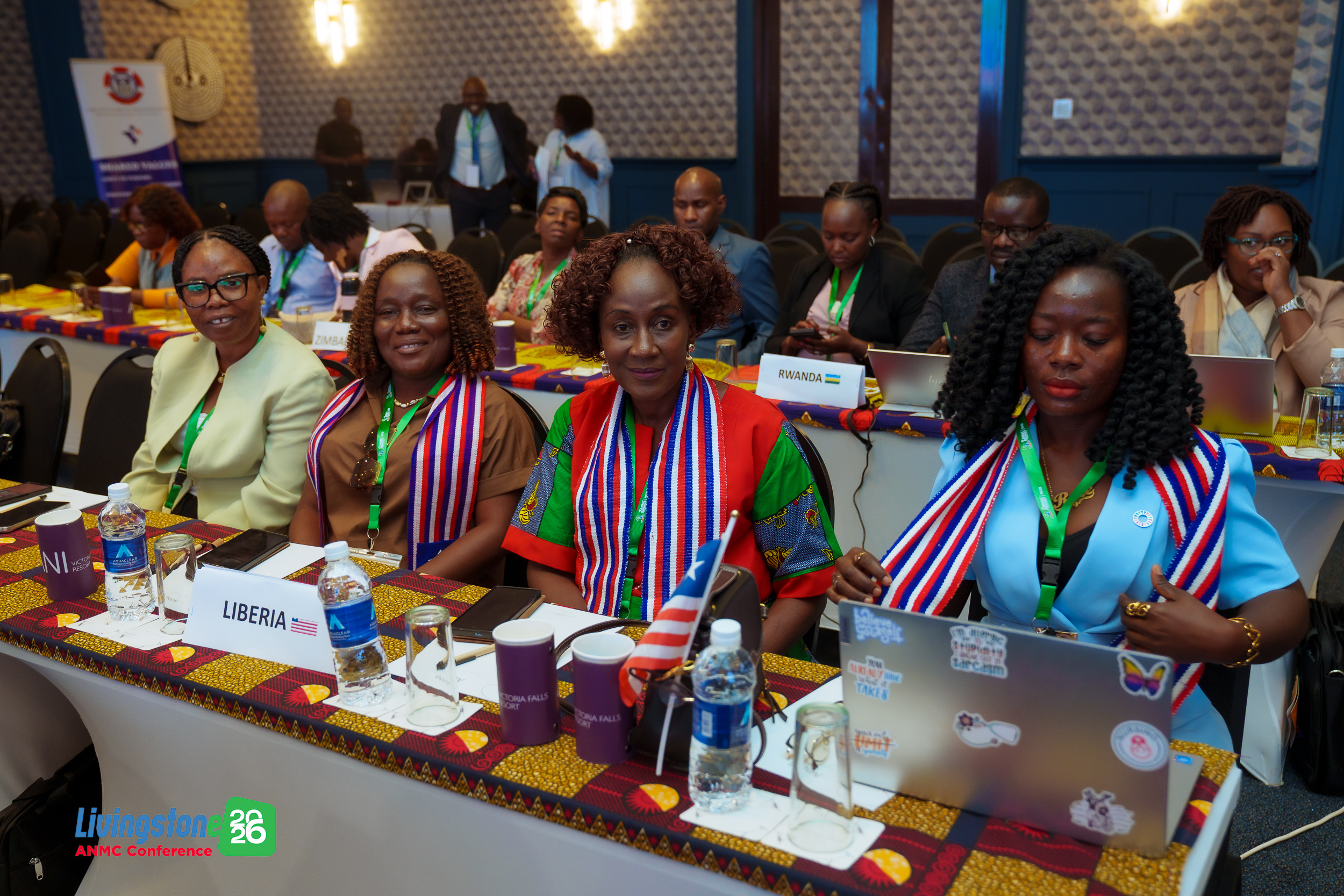
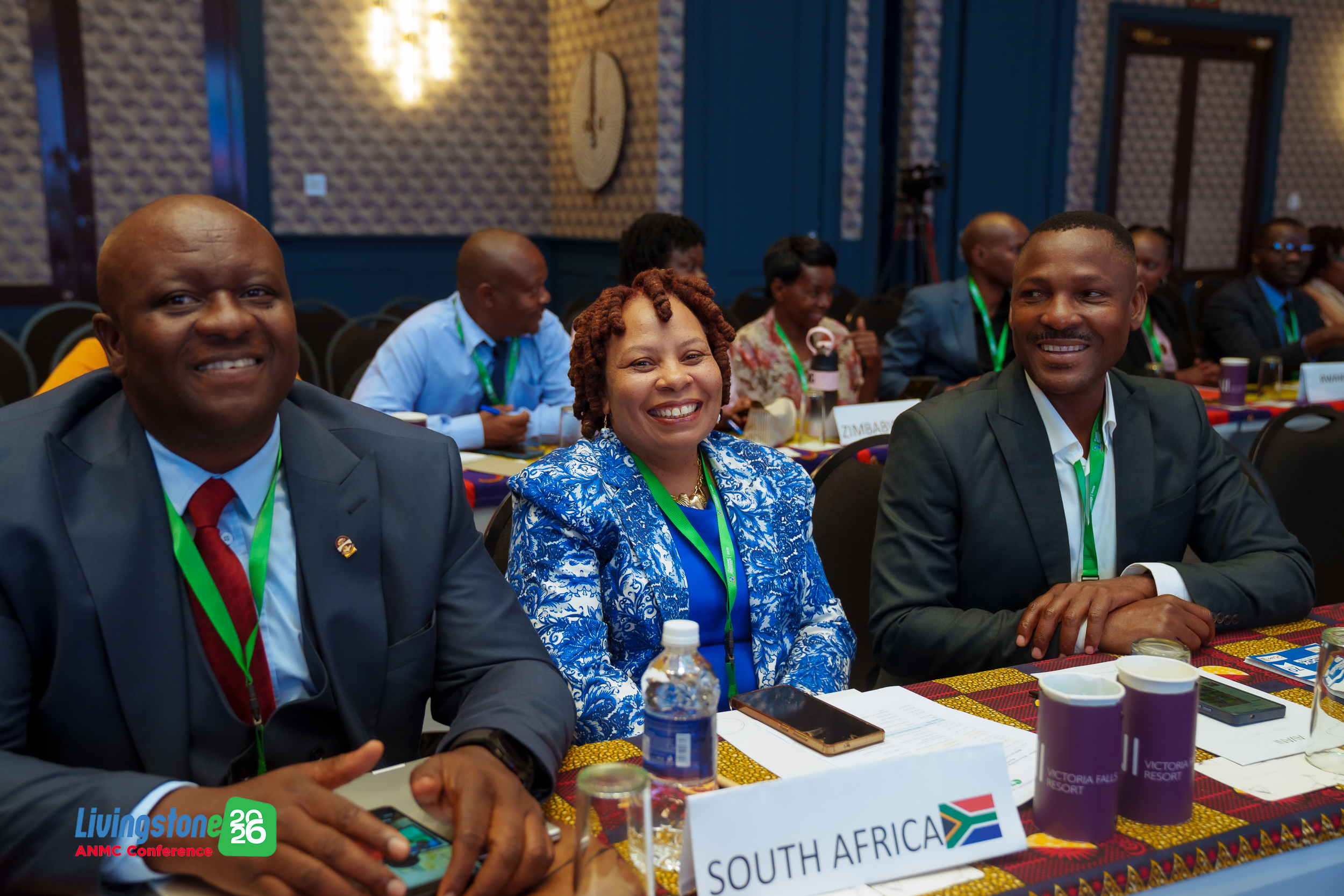
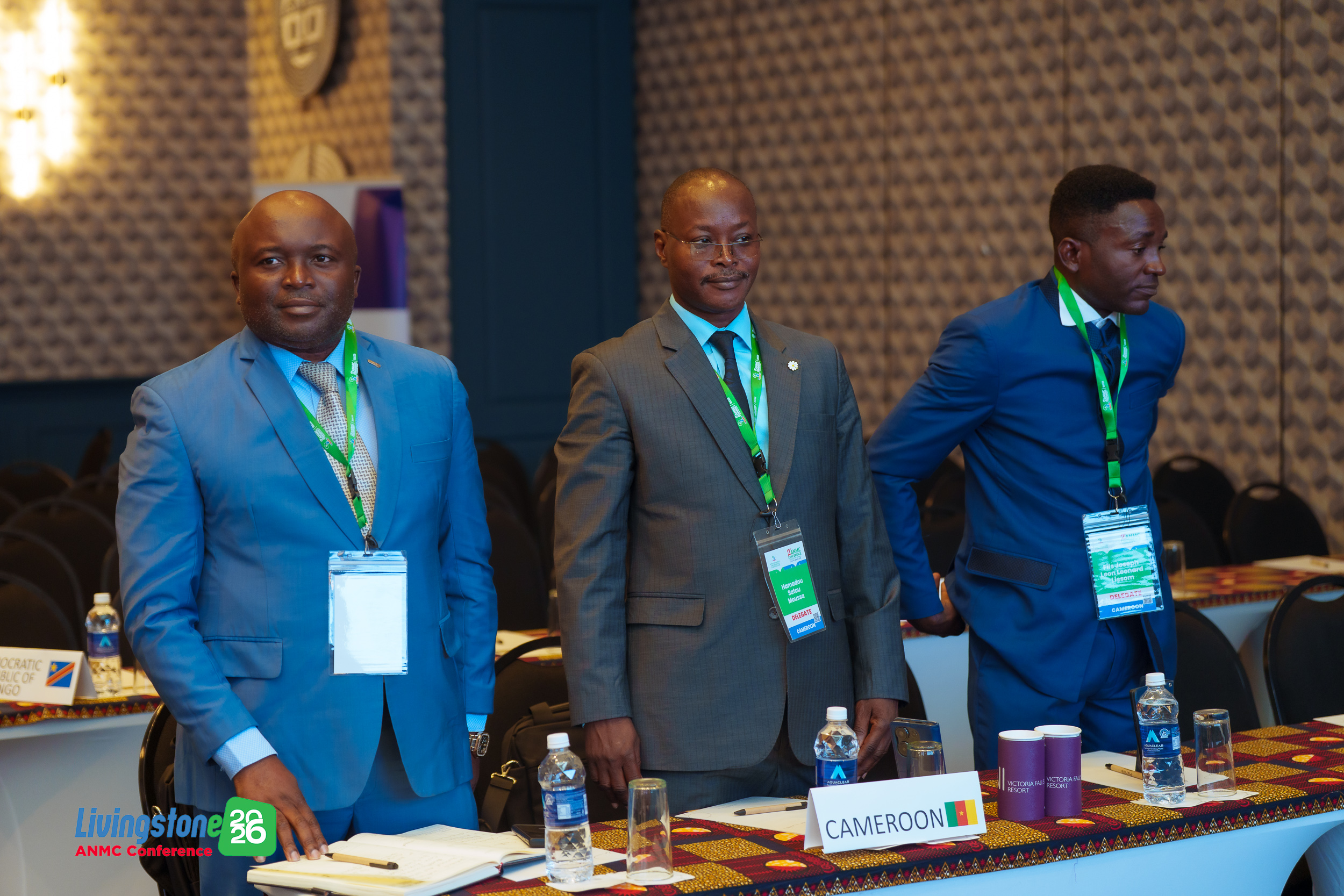
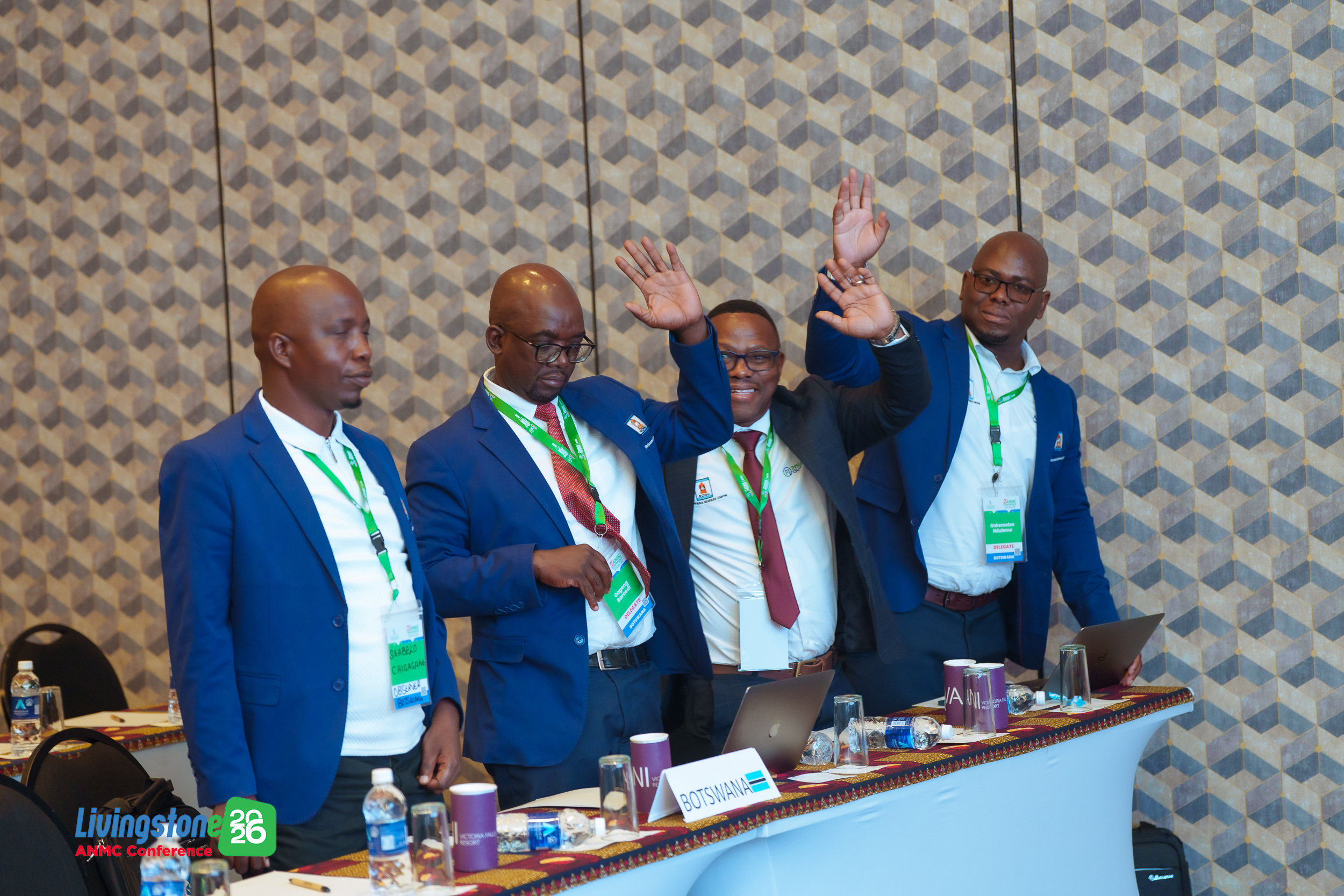
The conference brought together representatives of National Nursing and Midwifery Associations, regulators, development partners, global and regional health leaders to deliberate on strategies for advancing the profession and improving healthcare delivery across Africa.
Dignitaries at the event included Hon Conelius Mweetwa (MP), Minister of Health of Zambia,
President of International Council of Nurses (ICN) , Dr. José Luis Cobos Serrano, ICN 3rd Vice President, Perpetual Ofori-Ampofo who also doubles as the ANMC Treasurer General,
Dr Clement Lugala Peter, WHO Representative for Zambia, Daniel Oberko, Regional Secretary for Africa and Arab countries of Public Services International and Dennis Mbithi, TruMerit Representative & Vice President of National Nurses Association of Kenya.
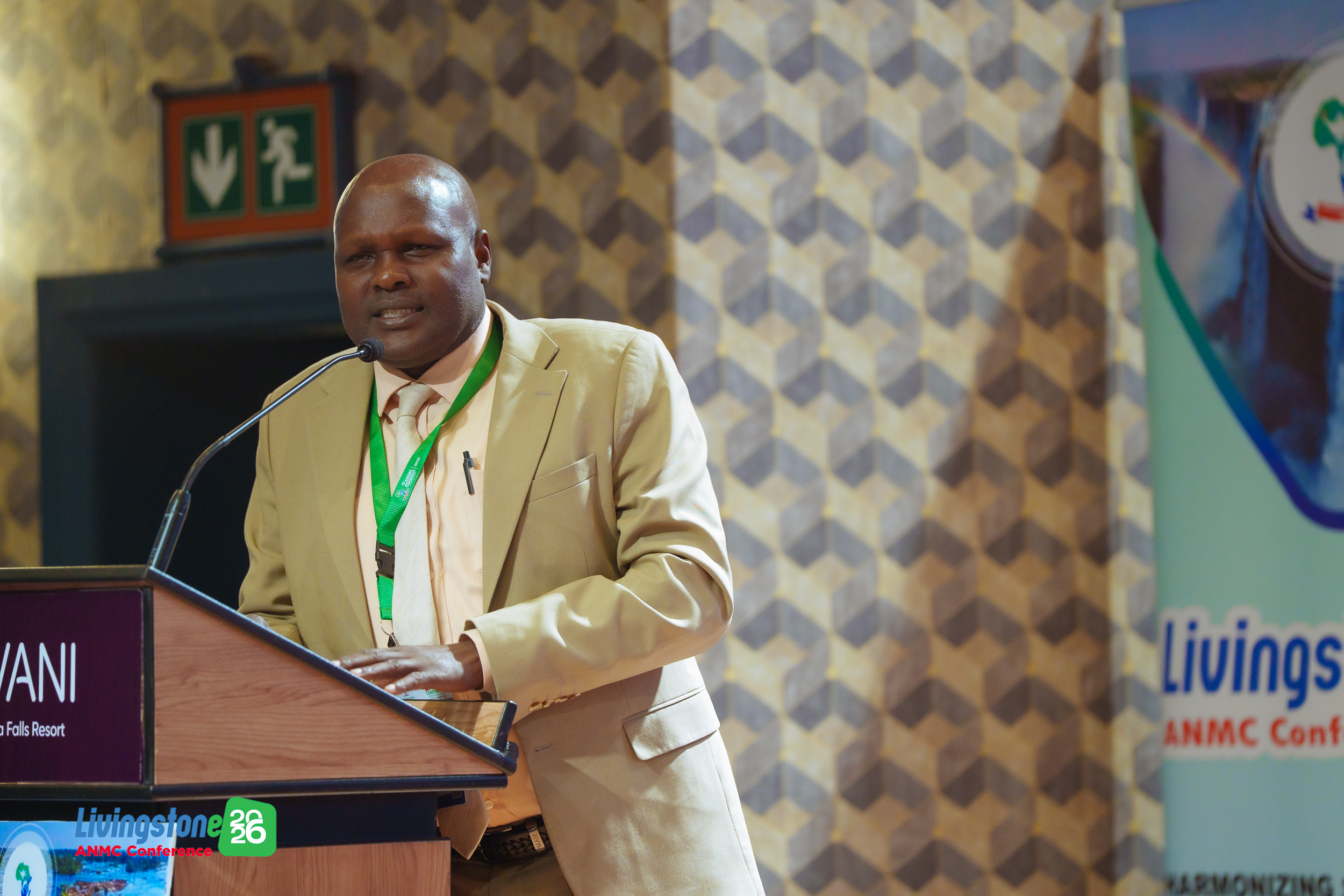
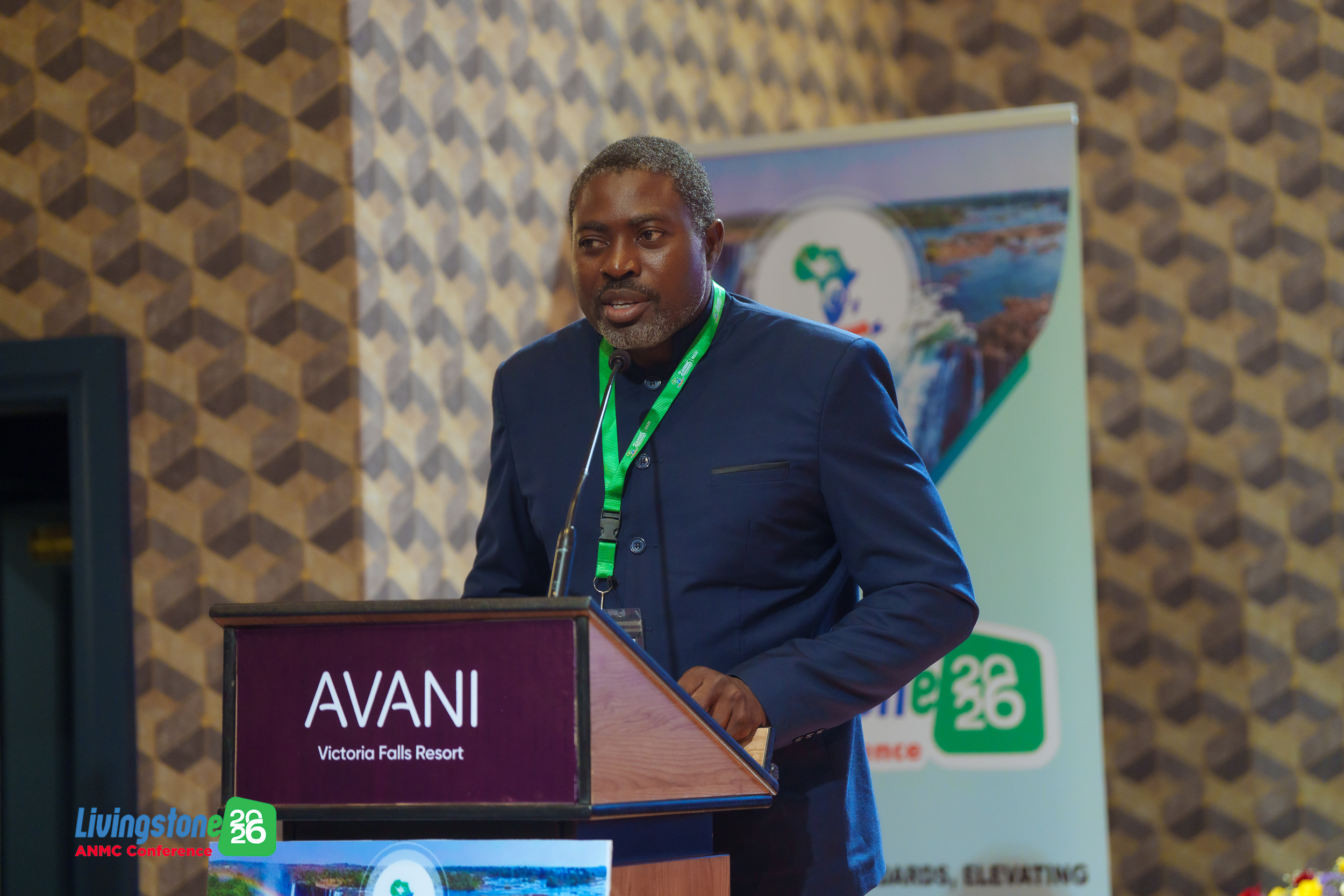
In his remarks, the Interim President of the ANMC Mr Justus Cherop emphasized the importance of building a strong continental platform for nurses and midwives, noting that the confederation continues to grow as a unifying voice for the profession. He highlighted the progress made since the maiden conference held in Accra, Ghana, and called on member associations to deepen collaboration in addressing common challenges affecting the profession.
Dr. José Luis Cobos Serrano, ICN President called for stronger protection of health workers and a unified approach to nursing and midwifery standards across Africa to strengthen health systems and improve patient care. He further added that, nurses and other health professionals should not be targets during wars as already seen in Ukraine, Gaza and other parts of the world. He said, attacks on hospitals, ambulances and health personnel not only destroy infrastructure but also leaves vulnerable communities without access to life-saving care.
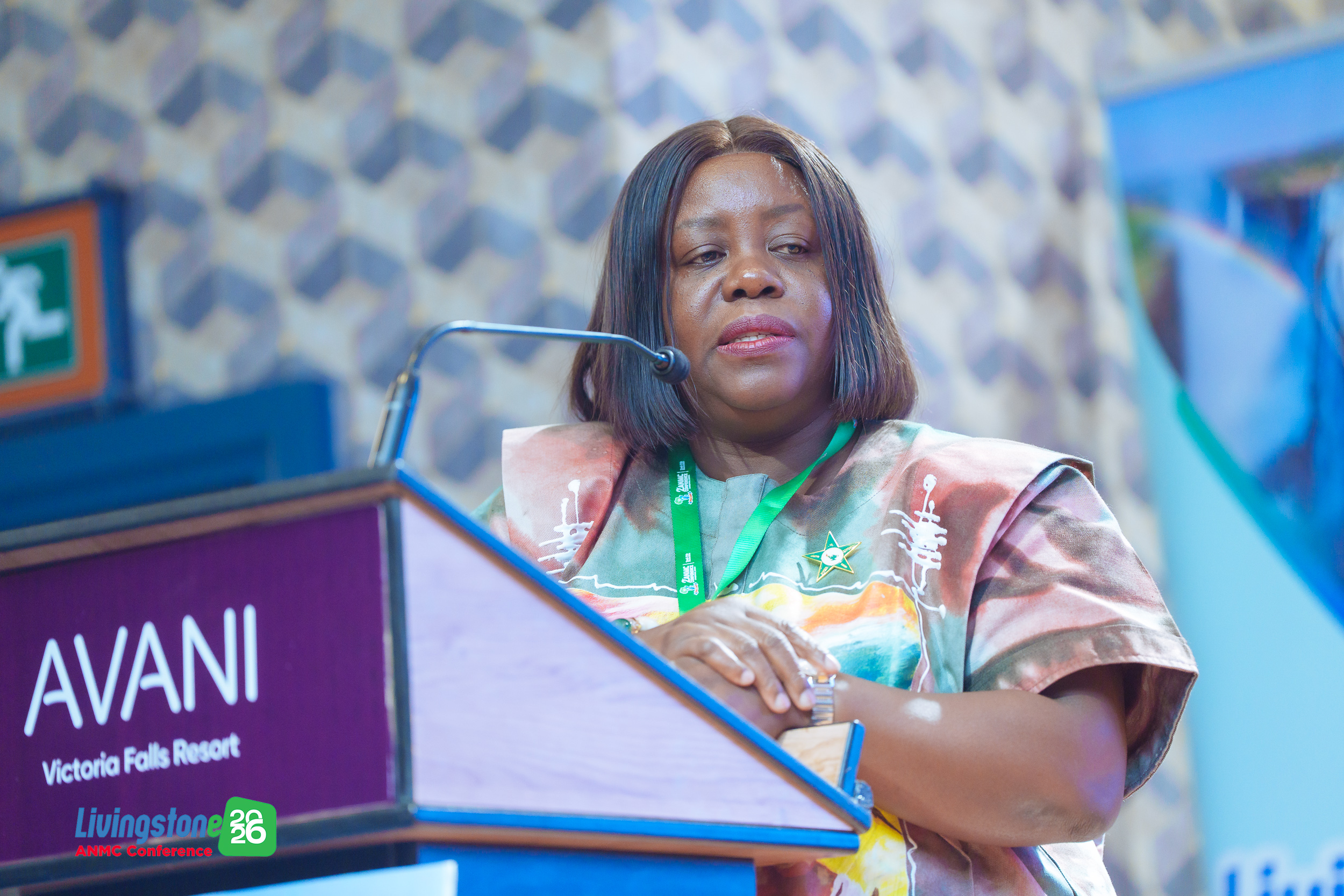
The ANMC Secretary General and President of the Zambia Union of Nurses and Midwives Organization, Mr Michelo Fray, in his welcome remarks indicated that the Confederation currently brings together more than 18 national associations representing over 1.5 million nurses and midwives across Africa, positioning it as a key platform for professional solidarity, advocacy, and knowledge exchange.
The need to address Africa’s nursing workforce challenges and advancing digital health innovations on the continent featured prominently during the conference. According to estimates highlighted during the conference, the global shortage of health workers was expected to be most pronounced in Africa by 2030. The growing role of digital technologies including artificial intelligence in transforming healthcare delivery required preparing nurses and midwives to operate effectively in an increasingly digital health environment.
Various speakers underscored the need for governments and health institutions to invest in education, training, and retention strategies to ensure that health systems are adequately staffed and capable of delivering quality care.
Nursing leaders also stressed that nurses and midwives must be more actively involved in health policy and decision-making processes at national and continental levels.
Participants at the Conference reviewed the organization’s strategic priorities for the coming years covering governance strengthening, membership consolidation, advocacy, resource mobilization, and capacity building.
They also committed to strengthening digital competencies among nurses to improve efficiency, support clinical decision-making, and expand access to quality healthcare services.
Experts at the conference noted that, aligning competencies, training standards, and regulatory systems will help enhance professional mobility, ensure quality assurance, and promote patient safety across borders. This approach, participants said, will also strengthen collaboration among regulatory bodies and professional associations in advancing nursing and midwifery practice across the continent.
The conference also examined strategies for improving the quality of maternal, newborn, and child health services, with participants highlighting the role of evidence-based practice, continuous professional development, and stronger health systems in achieving better health outcomes.
Another key area of discussion was the wellbeing of the nursing and midwifery workforce. Participants emphasized that supporting the mental health and wellbeing of nurses was essential for improving staff retention and ensuring quality patient care.
The ANMC conference also highlighted the importance of collective action among nursing and midwifery associations in advocating for better working conditions, professional recognition, and stronger representation in health governance. Participants shared that unity and solidarity among African nurses and midwives was essential in addressing the complex health challenges facing the continent.
At the close of the conference, leaders reaffirmed their commitment to advancing the vision of the ANMC and strengthening collaboration among member countries.
The next ANMC conference is scheduled to take place in Ethiopia in February 2027, where members are expected to continue discussions on advancing nursing and midwifery excellence across Africa and elect substantive leaders of the organization.